

Nestled in Arva, Ward No. 13 of Pokhara Metropolitan City, on the mid-hill slopes overlooking the Pokhara Valley, PAARC Nepal sits at a natural meeting point of subtropical and lower temperate ecosystems. Our forests, farmland, and neighboring community forests support a striking mix of native and cultivated species from resident wildlife like the Rhesus Macaque, Hanuman Langur, and Golden Jackal, to a rich variety of birds, reptiles, and pollinators that move freely between farm and forest. Alongside them grows an equally diverse plant community: fruit trees like Dragon Fruit, Avocado, and Litchi thrive next to native forest species such as Chilaune (Schima), Katus (Chestnut), and Rhododendron, while medicinal and aromatic plants like Vasaka, Titepati, and Neem reflect generations of local ecological knowledge. This overlap of cultivated and wild, subtropical and temperate, makes PAARC’s ecosystem as diverse as it is distinctive.
A Natural Site for Botanical and Ecological Research
This density and diversity of species growing together in one accessible location makes PAARC’s flora collection a valuable site for researchers, students, and fellows working in
- Botany and Plant Taxonomy – a wide range of species across subtropical and temperate zones, all documented and accessible in one field site
- Ethnobotany and Traditional Medicine – native medicinal plants like Vasaka, Titepati, and Neem, long used in local healing practices, alongside opportunities to record indigenous knowledge
- Agroecology and Crop Science – commercial and fruit crops (Dragon Fruit, Coffee, Avocado, Sichuan Pepper) grown under real farming conditions, ideal for studying cultivation practices and yield.
- Forest Ecology and Conservation – native forest species such as Schima-Chestnut (Chilaune-Katus), Banyan, and Sacred Fig, representative of Nepal’s mid-hill forest composition
- Horticulture and Agroforestry – the coexistence of fruit orchards, spice crops, and native trees offers a working model of mixed cultivation systems
- Environmental and Biodiversity Studies – the interaction between cultivated land, community forest, and resident wildlife provides a compact case study in human-modified ecosystems
With on-site accommodation, a library, and conference facilities, PAARC gives researchers a rare setup: the ability to move from field observation straight into documentation and analysis without leaving the ecosystem they’re studying.
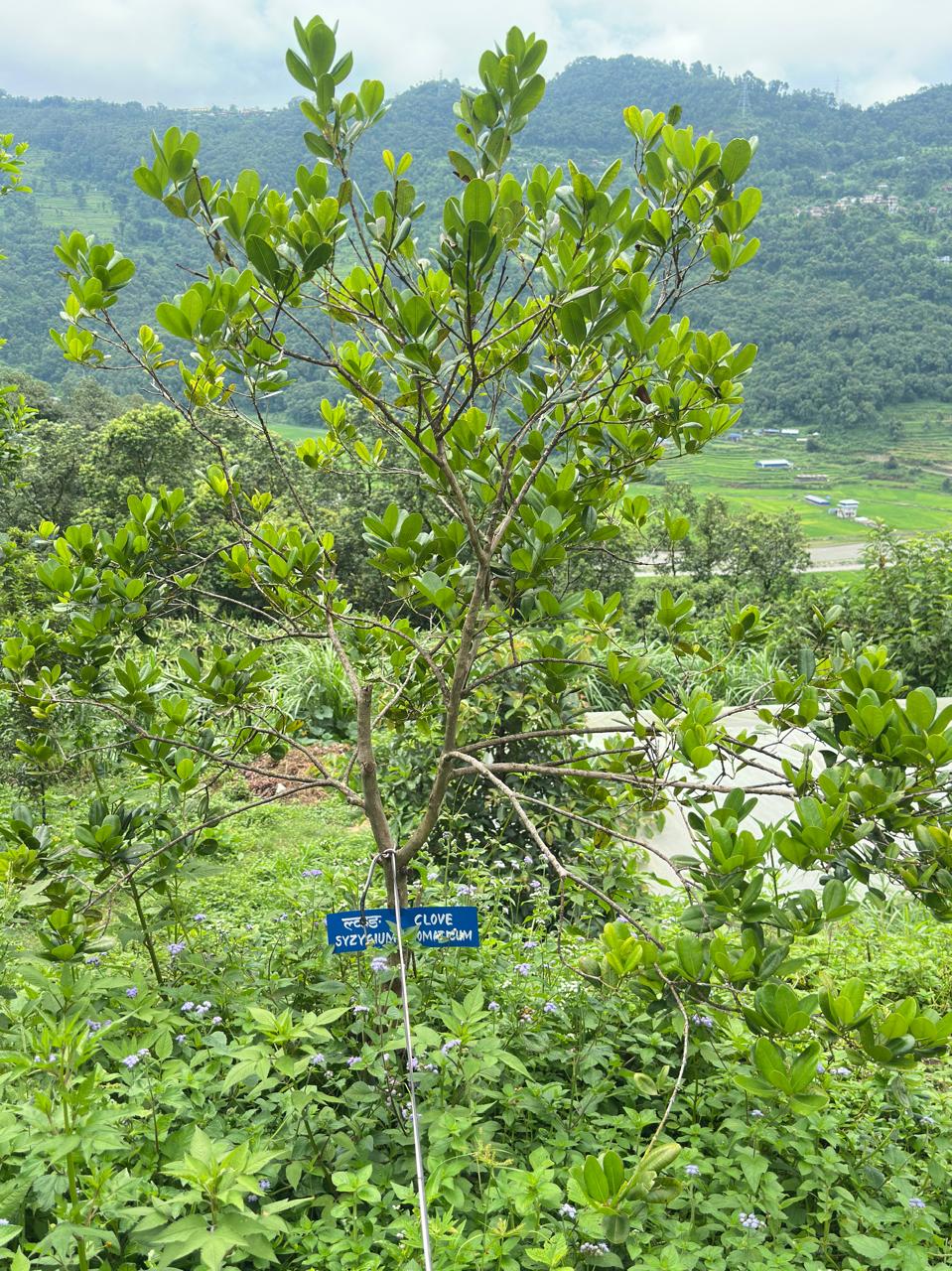
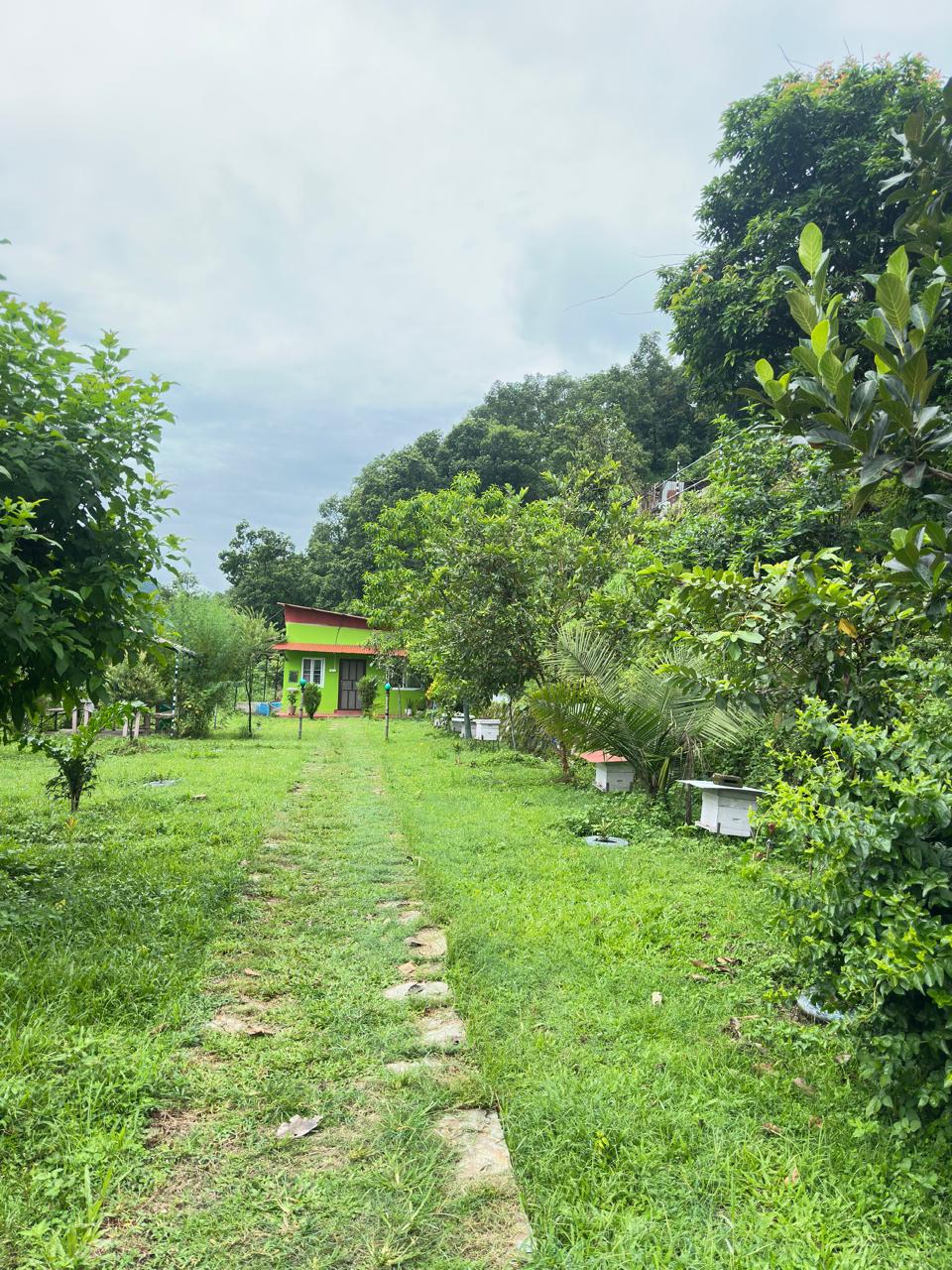
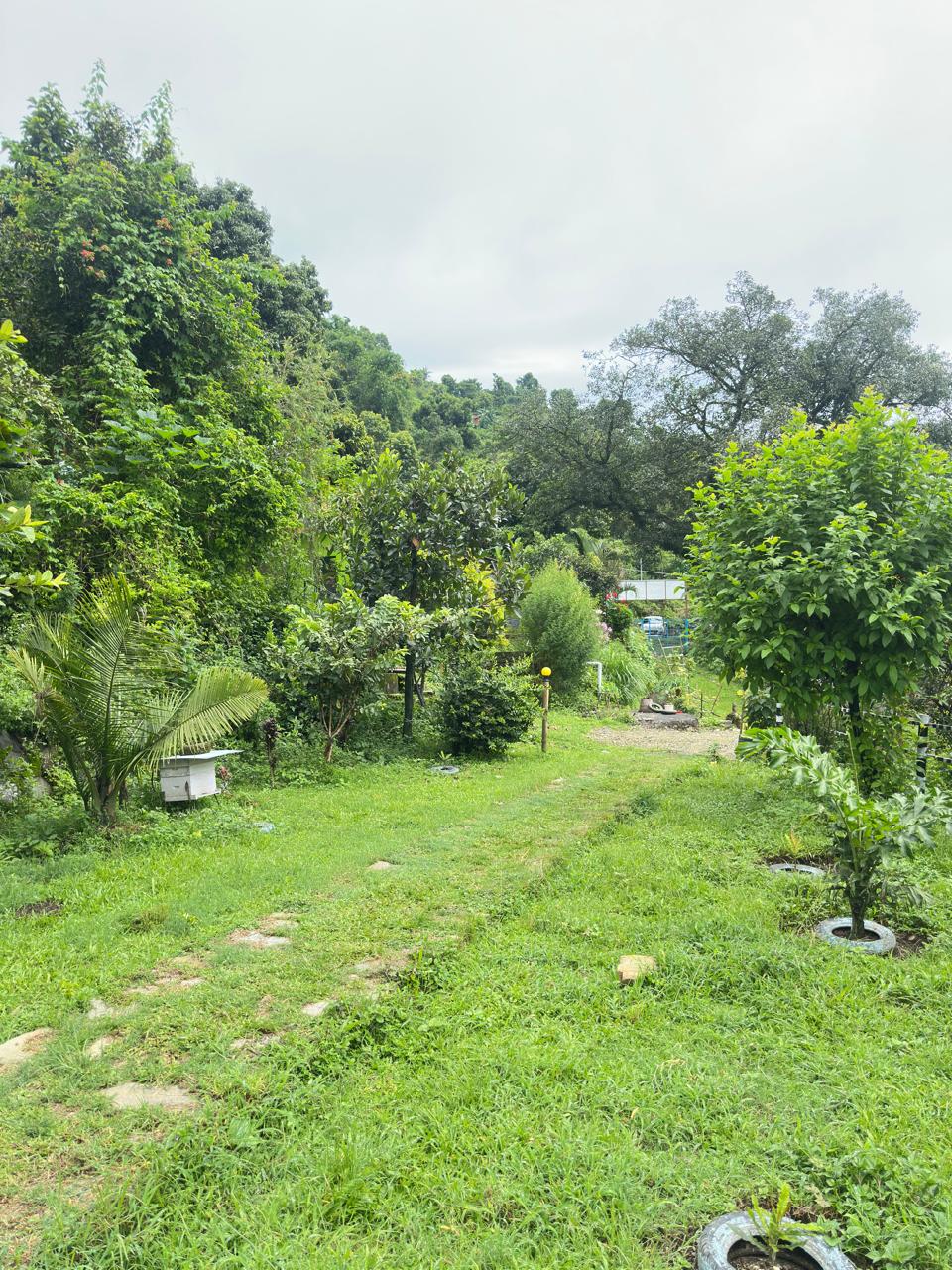
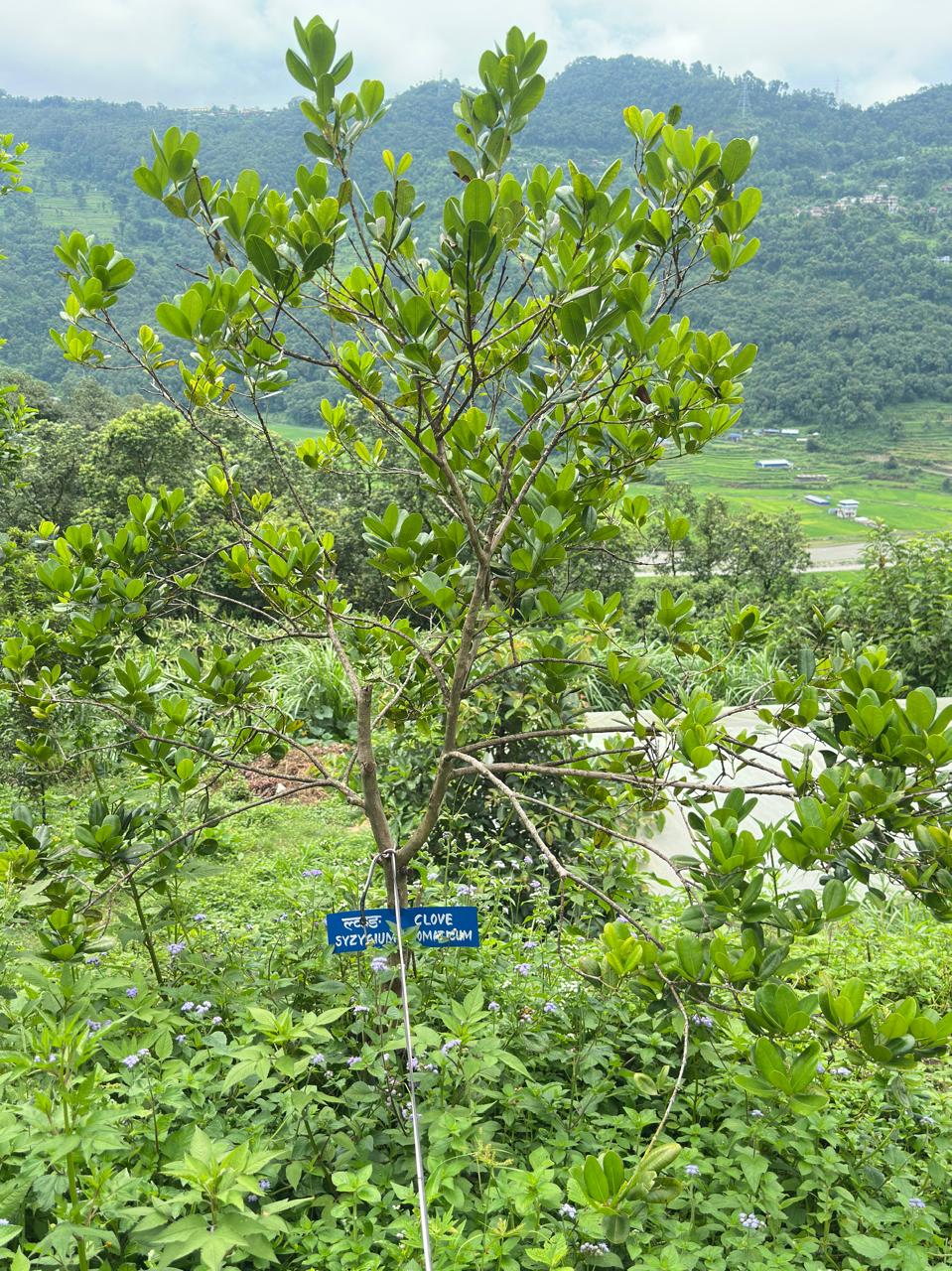
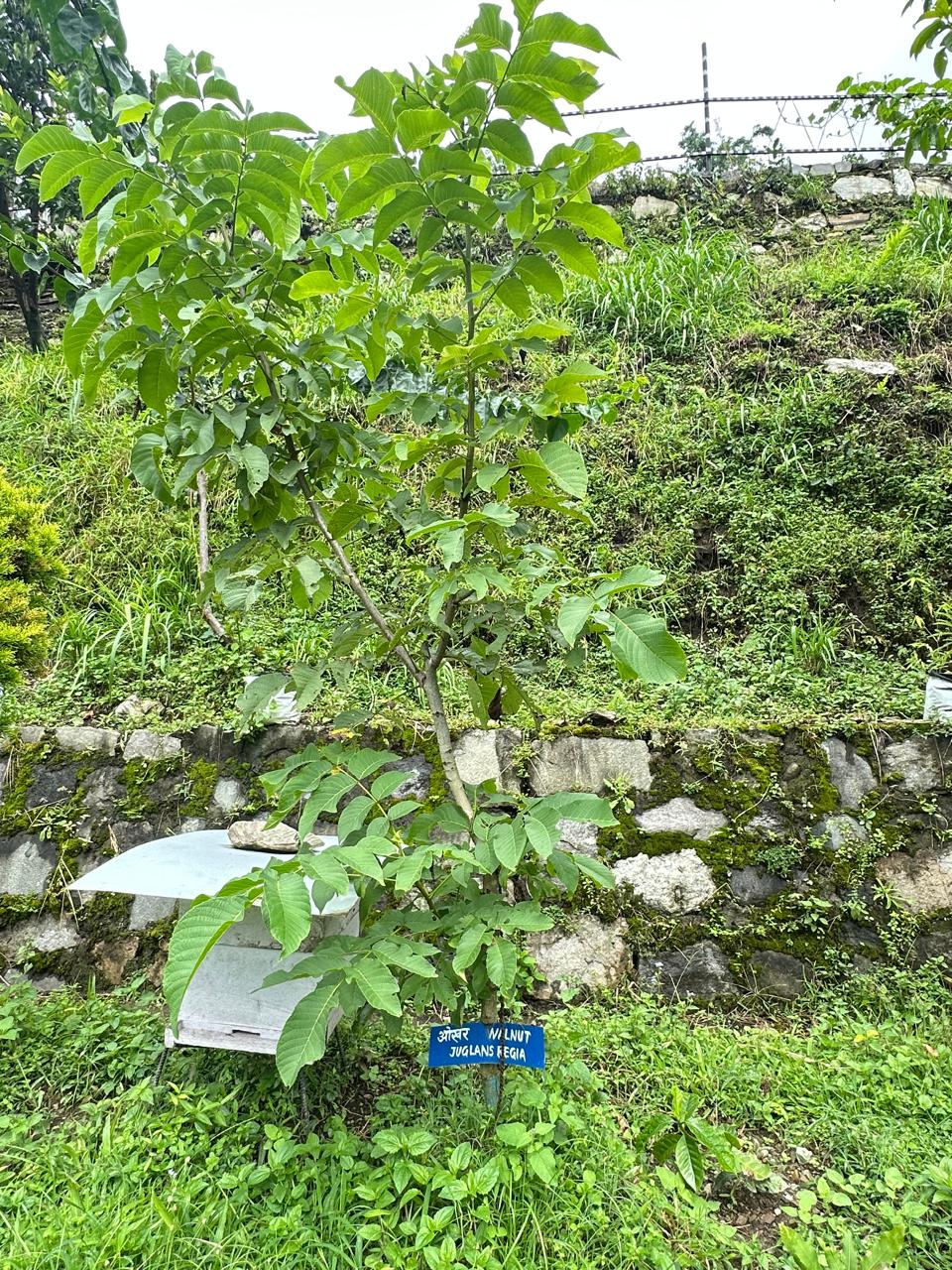
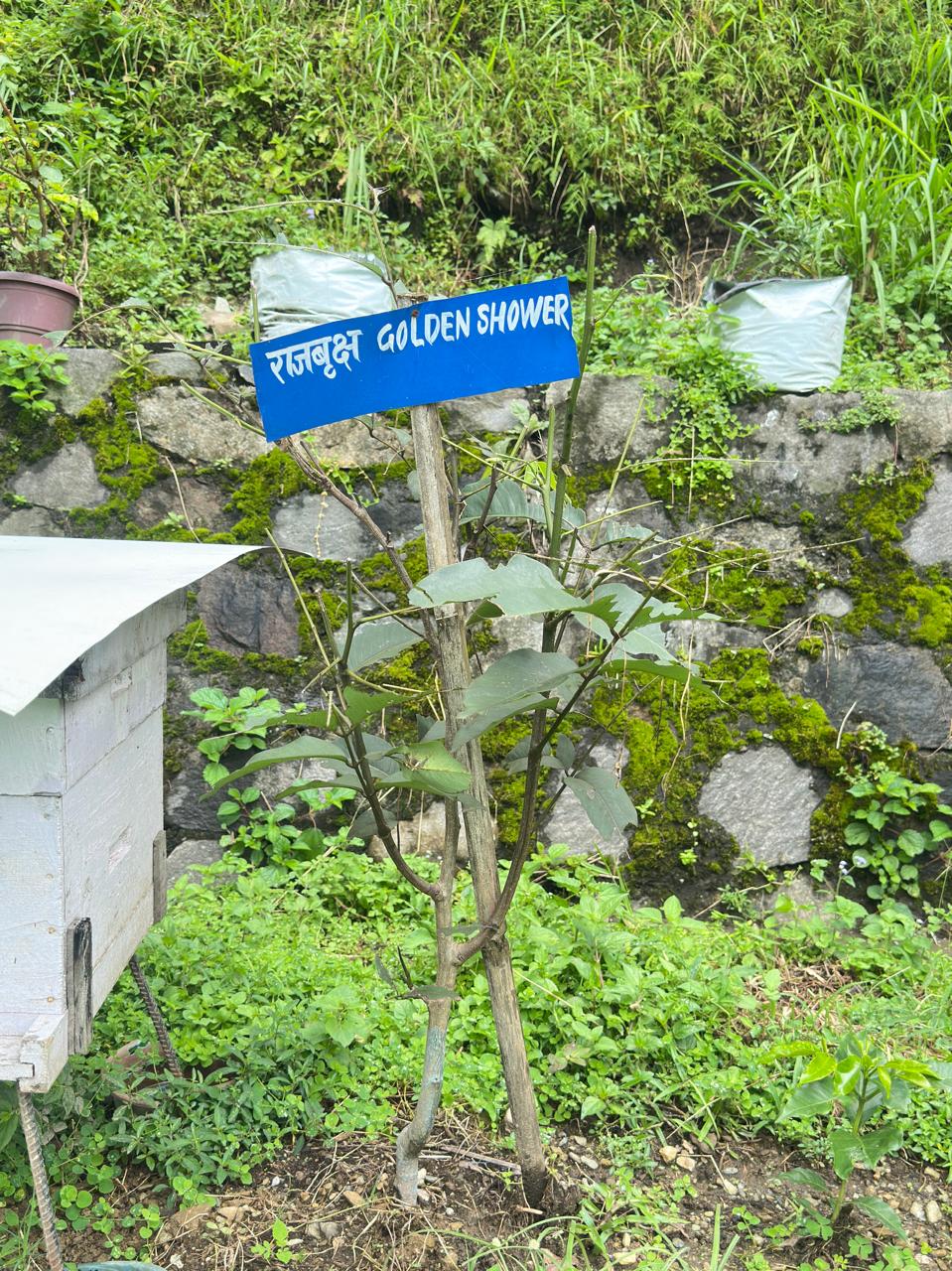
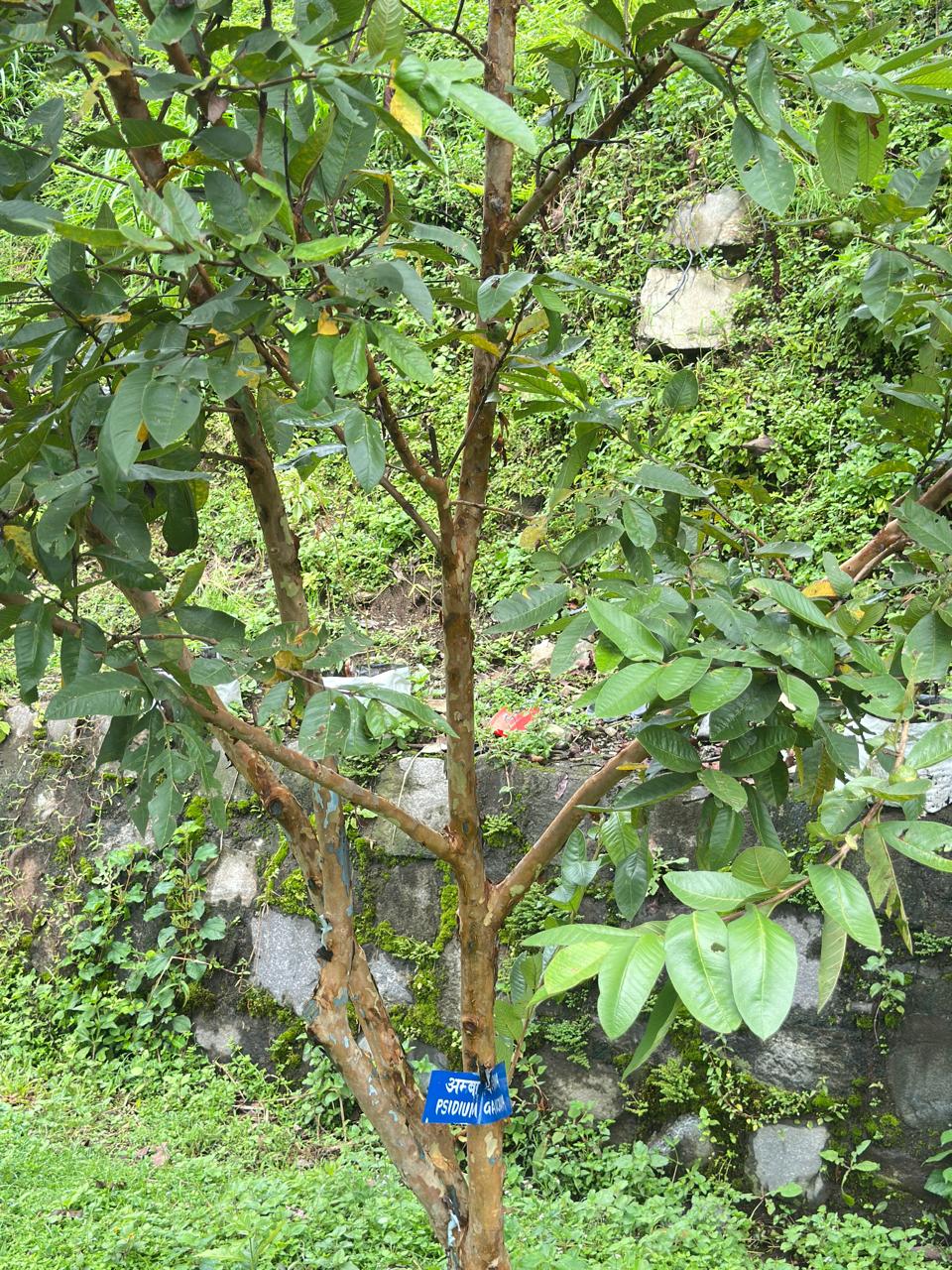
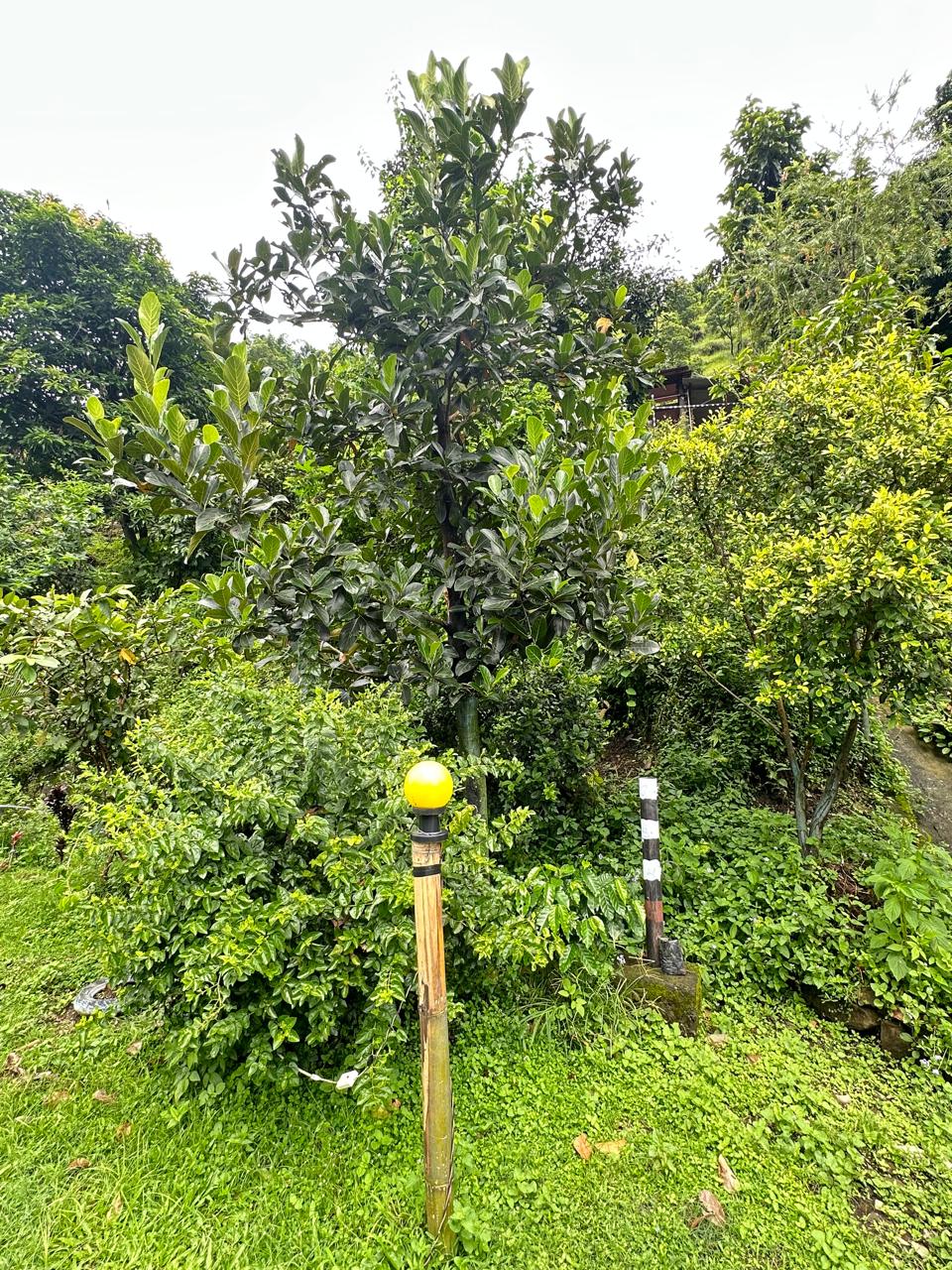

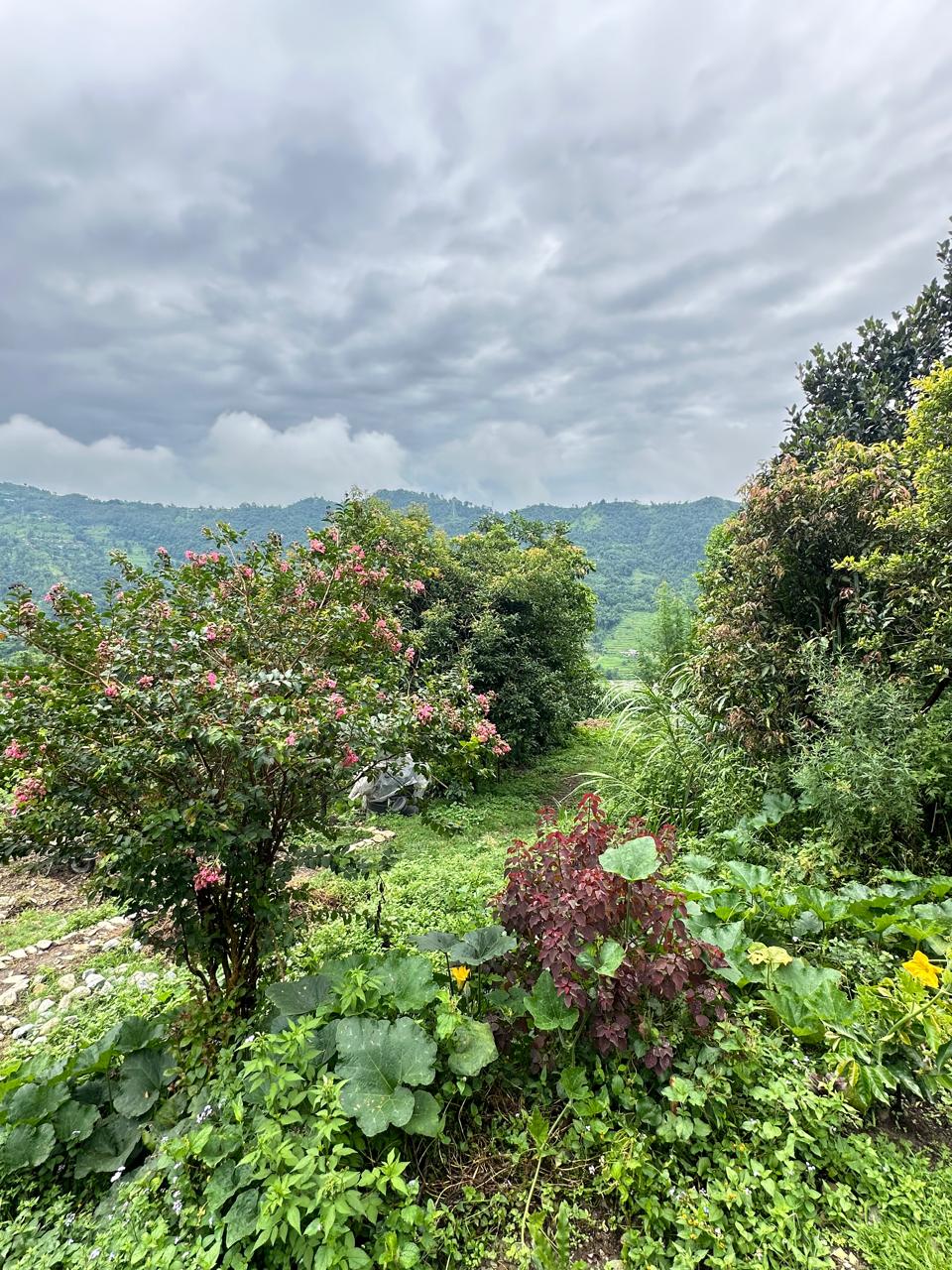
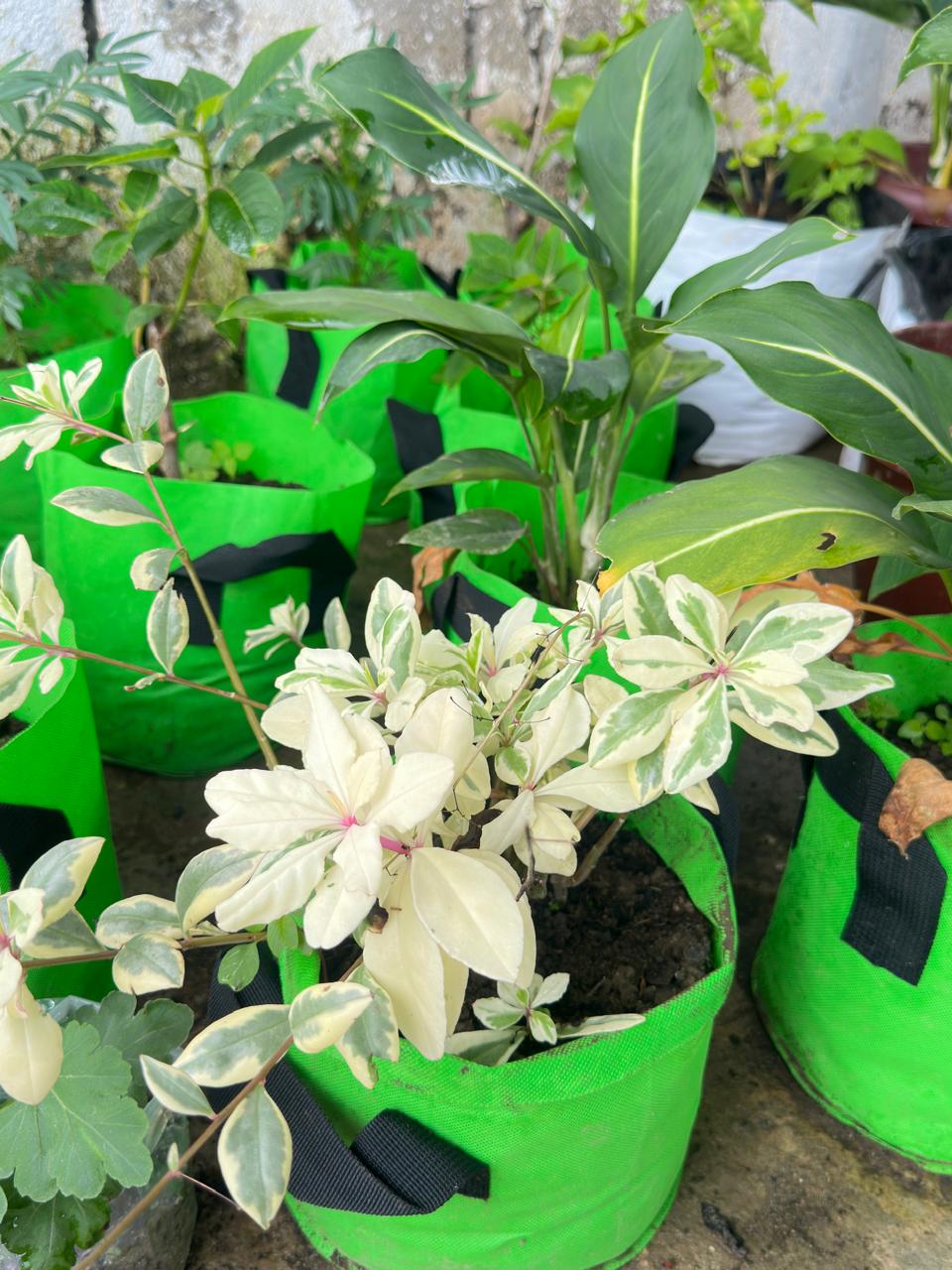
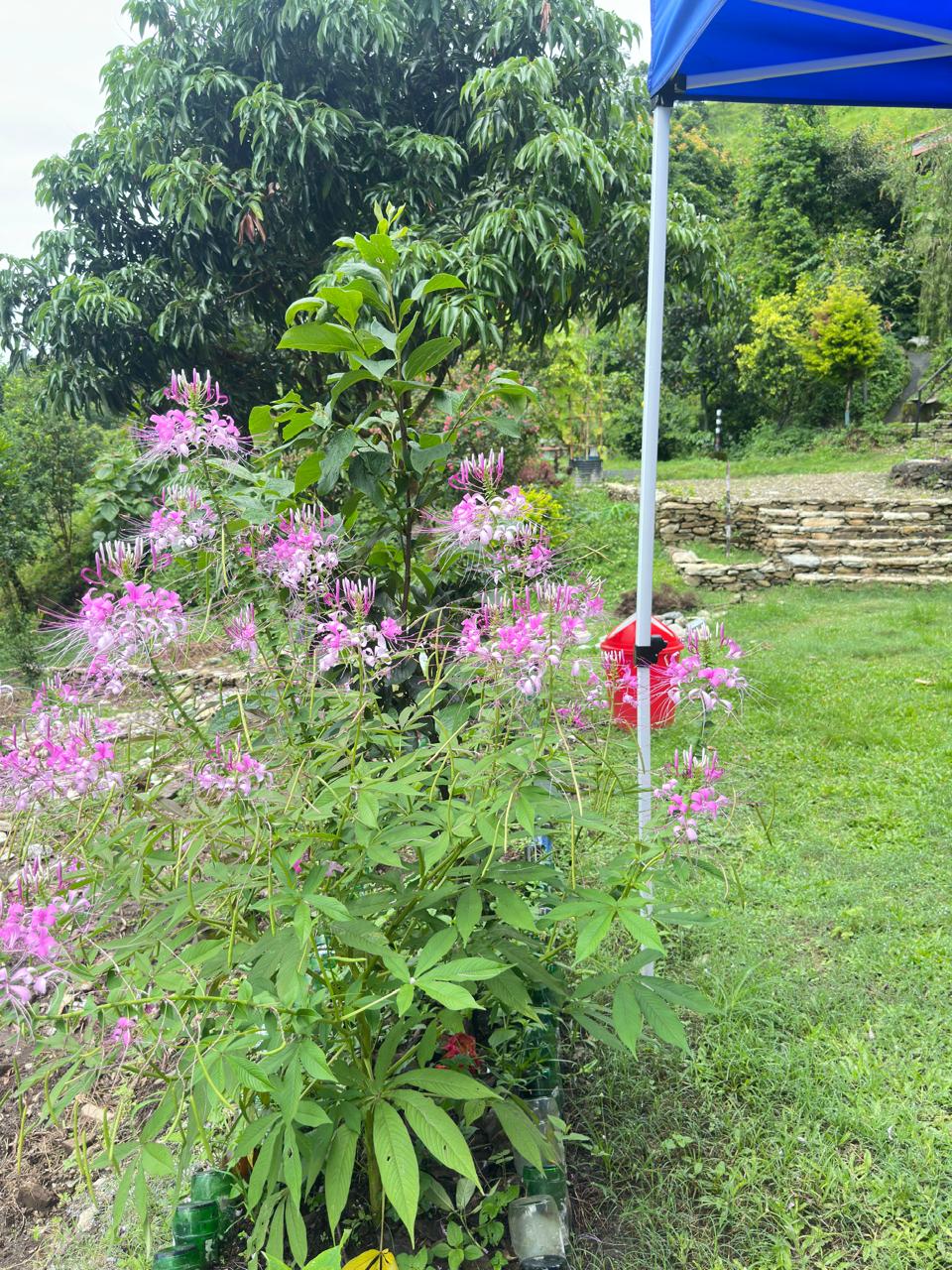
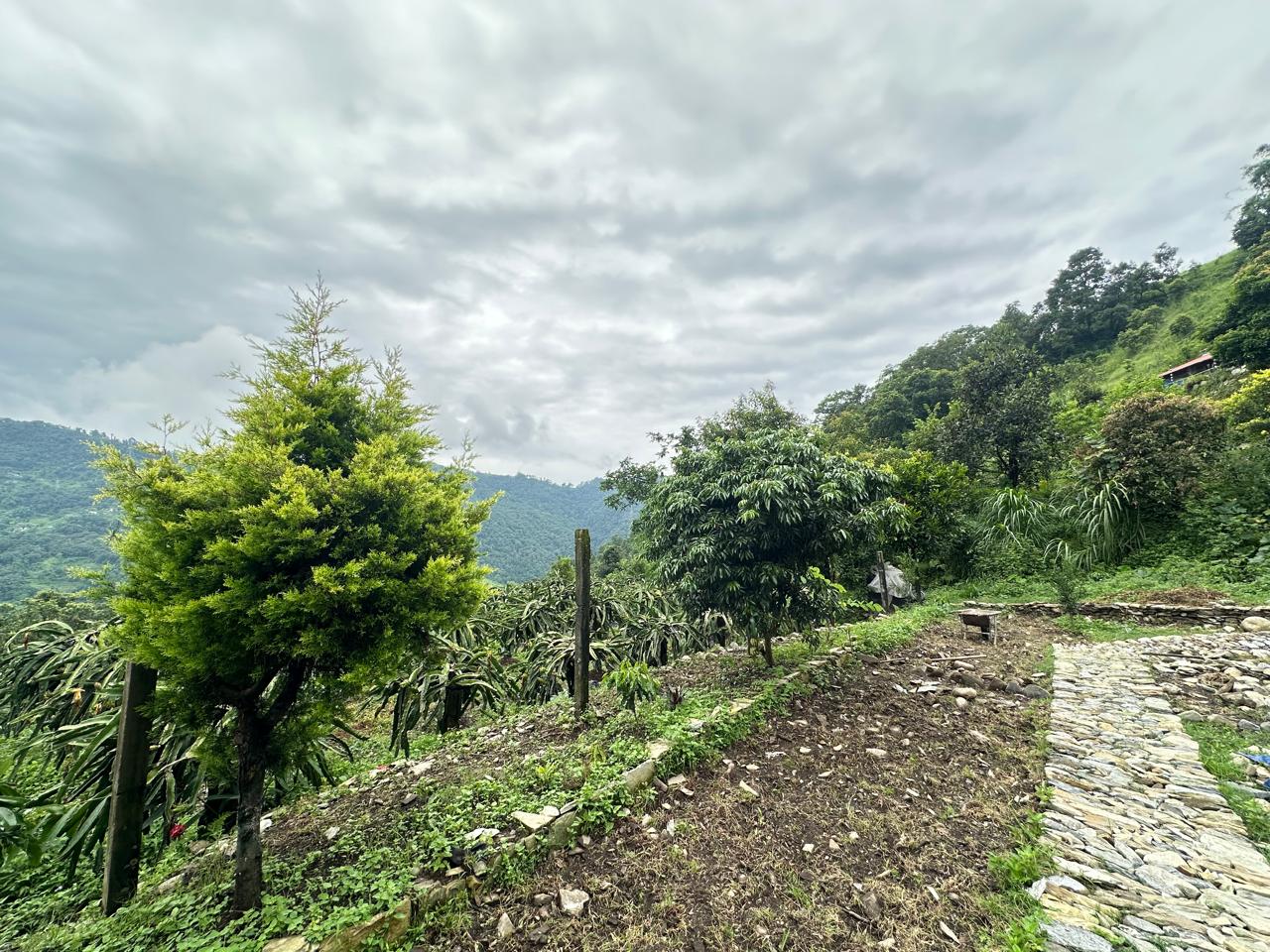

| FAUNA (ANIMALS FOUND IN PAARC AND NEARBY SORROUNDING) | FLORA (PLANT SPECIES FOUND IN PAARC NEPAL) |
|---|---|
| 1. Crow/ Kag | 1. Dragon Fruit |
| 2. Pigeon | 2. Avocado |
| 3. Sparrow/ Bhagero | 3. Mango |
| 4. Common Myna/ Maina | 4. Japanese Chestnut |
| 5. Parakeet | 5. Coffee |
| 6. Cuckoo/ Koili | 6. Orange |
| 7. Warbler/ Fisto | 7. Star Fruit |
| 8. Kite | 8. Gooseberry |
| 9. Hawk | 9. Walnut |
| 10. Owl/ Ullu | 10. Curry Leaf |
| 11. Woodpeker/ kathforuwa | 11. Litchi |
| 12. Nyauli | 12. Banana |
| 13. Rhesus Macaque/ Monkey | 13. Guave |
| 14. Hanuman Langur | 14. Lemon |
| 15. Golden Jackal/ Syal | 15. Pear |
| 16. Jungle Cat/ Ban Biralo | 16. Papaya |
| 17. Mongoose/ Nyauri Muso | 17. Peach |
| 18. Squirrel/ Lokharke | 18.Plum |
| 19. Bat/ Chamero | 19. Banyan |
| 20. Lizard | 20. Neem |
| 21. Snake | 21.Sacred Fig |
| 22. Frog | 22. Bay Leaf |
| 23. Honey Bee | 23. Ginger |
| 23. Butterfly | 24. Chilli |
| 24. Grasshopper | 25. Sichuan Pepper |
| 25. Cicada/ Jhjaukiri | 26.Mint |
| 26. Eagle | 27. Stinging Nettle |
| 27. Spotted Dove/ Djukur | 28. Coriander |
| 28. Swallow/ Gauthali | 29. Bamboo |
| 29. Shrew/ Chhuchundro | 30. Camphor Tree |
| 30. Skink/ Chheparo | 31. Schima/Chilaune |
| 31. Dung Beetle | 32. Chestnut |
| 33. Ashoka | |
| 34. Orchid | |
| 35. Rose | |
| 36. Vasaka/ Asuro | |
| 37.Moringa | |
| 38. Blue Marble Tree/ Rudraksha | |
| 39. Jackfruit Tree/ Rukh Katahar | |
| 40. Rhododendron (Rhododendron arboreum) | |
| 41. Camphor Tree/ Kapur | |
| 42. Bay Leaf/ Tej Patta | |
| 43. Lahare aap/ Passion Fruit | |
| 44. Wormwood/ Pati | |
| 45. Katus | |
| 46. Bamboo species | |
| 46. Simal (Bombax Ceiba) | |
| 47. Khair (Acacia Catechu) | |
| 48. Titepati (Artemisia Vulgaris) | |
| 49. Cotton Tree/ Simal | |
| 50. Tiju | |
| 51. Bayberry/ Kafal | |
| 52. Citron/ Bimiro | |
| 53. Pakhuri | |
| 54. Rai Khanio |
PAARC’s plant collection is remarkably diverse for a single site, subtropical fruit species growing right alongside native mid-hill forest trees. I was able to document species across multiple climatic zones without traveling beyond the property.

